Tarot Reading
Tarot Court Cards
You've been reading tarot for months. You can interpret the Tower without flinching. The Ten of Swords doesn't scare you. But then the Knight of Cups shows up in your career spread and you freeze. Is he a person? A feeling? An invitation? Tarot author Bonnie Cehovet described her own early relationship with court cards as "distinctly adversarial," and she's far from alone. This guide gives you five ways to read those sixteen faces, a decision process for choosing between them, and the elemental layer that ties the whole system together.

Climate scientist, ashtanga practitioner, and advocate for human rights and LGBTQIA+ equality.
Why tarot court cards confuse even experienced readers
Here's the problem with court cards: they ask you to hold too many things at once. Rank plus suit plus element plus context, all layered on top of each other in a single card. A Knight of Cups means more than its rank and more than its suit. The card sits at the intersection of those two ideas filtered through whatever question you asked and wherever the card landed in your spread.
The math is straightforward. Four ranks times four suits gives you sixteen unique personalities. No shortcuts. You can memorize keywords for the Major Arcana and lean on numerology for the pips, but the court cards demand something different. They demand you think about people, and people are complicated.
The most common mistake is treating court cards as always representing literal, physical humans in your life. They can. But they can also represent aspects of your own personality, stages of development, energy you need to adopt, or the pace at which something is moving. They refuse to sit in one interpretive box.
Then there's the naming problem, which makes everything worse. The Rider-Waite-Smith deck uses Page, Knight, Queen, King. The Golden Dawn system uses Princess, Prince, Queen, Knight (where Knight functions as King). Different names means different elemental assignments, which means different readings from the same card in the same position. We'll unpack that in Section IV.
Think about the court card that confuses you most. The one that stops you mid-reading, where your memorized keywords evaporate and you're left staring at a face that could mean almost anything. Hold that card in mind as you read on.
Five ways to read a tarot court card in your spread
Not every court card works the same way in every reading. The card doesn't change, but your angle on it should. Here are five frameworks, three explored in depth, two kept brief. Try all of them. Keep the ones that stick.
People in your life. The oldest and most common approach. Kings represent mature authority figures. Queens represent mature integrators, people who've absorbed a suit's energy and express it with depth. Knights are young adults in motion, pursuing the suit's qualities with energy that sometimes tips into excess. Pages are beginners or children, encountering the suit's territory for the first time.
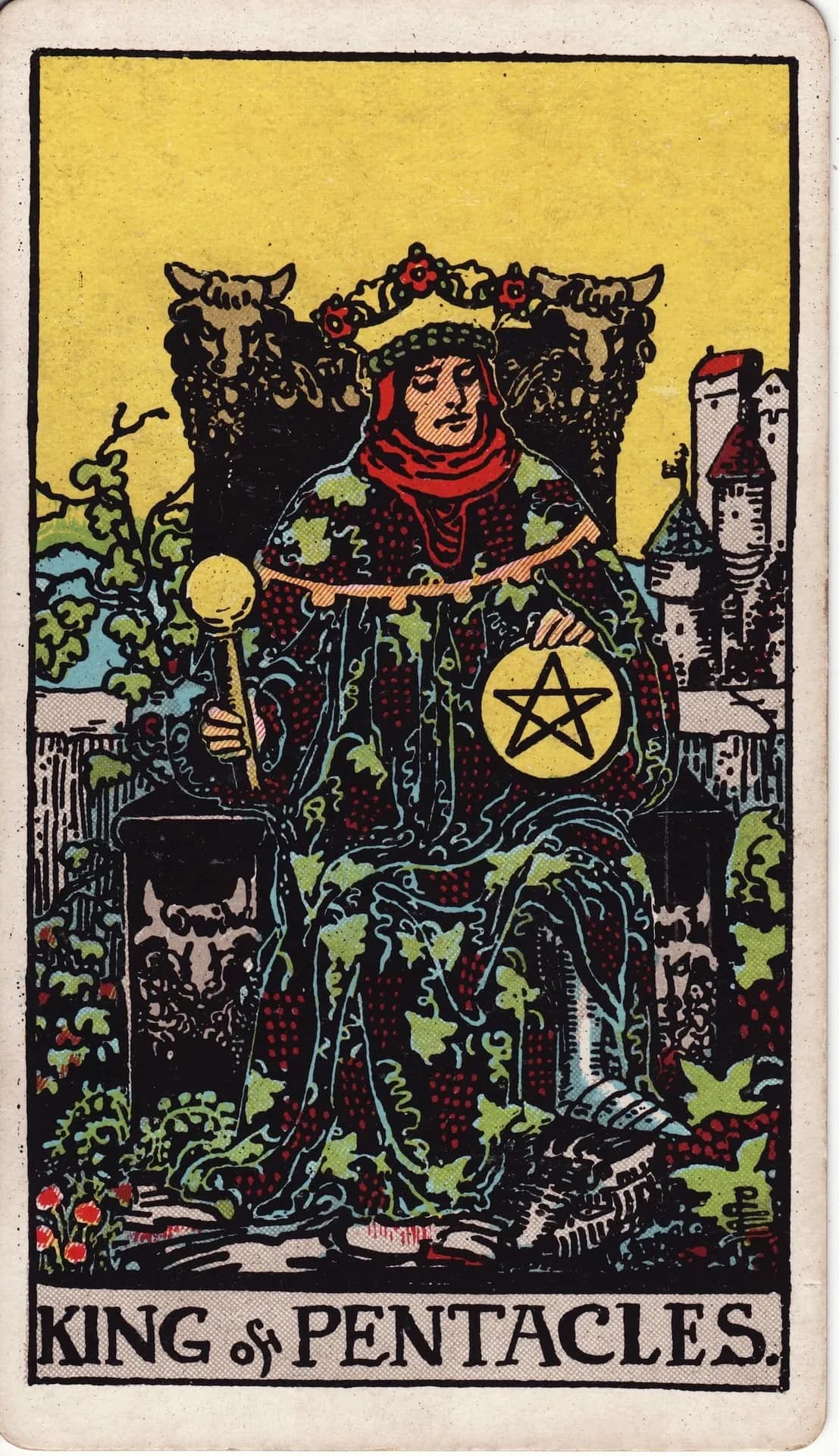
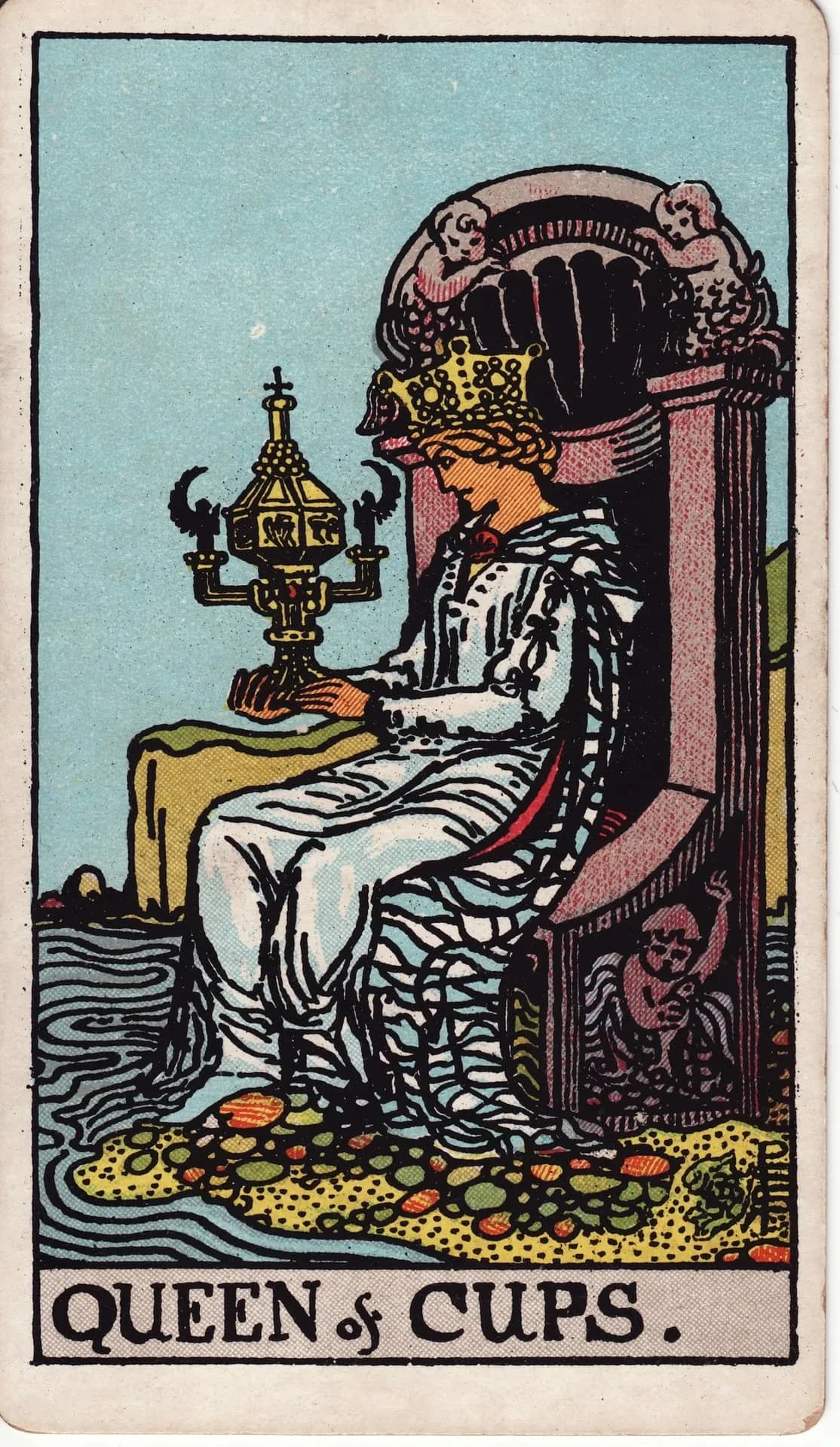
But gender doesn't map to biological sex. Mary K. Greer put it plainly: "A King can be most like a person's mother and a Queen like the father." Your mother who runs a business with quiet iron discipline? She might be the King of Pentacles in your reading. Your father who holds the family together with emotional intelligence? Queen of Cups.
Aspects of yourself. Each of the sixteen court cards lives somewhere inside you. Brigit Esselmont of Biddy Tarot writes that "each of us has a little bit of each of the 16 court cards within us." Some are loud. Some are buried.
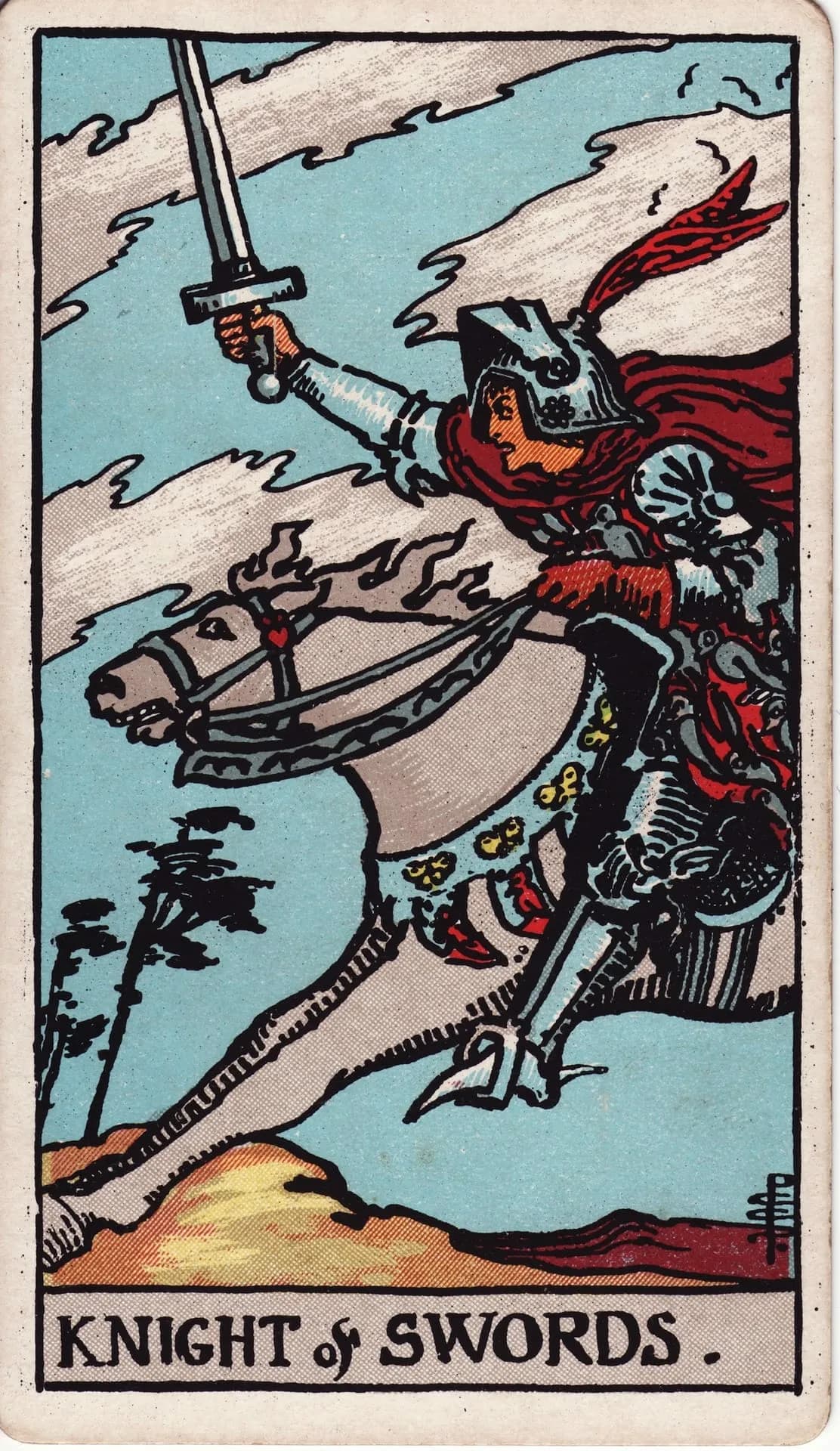
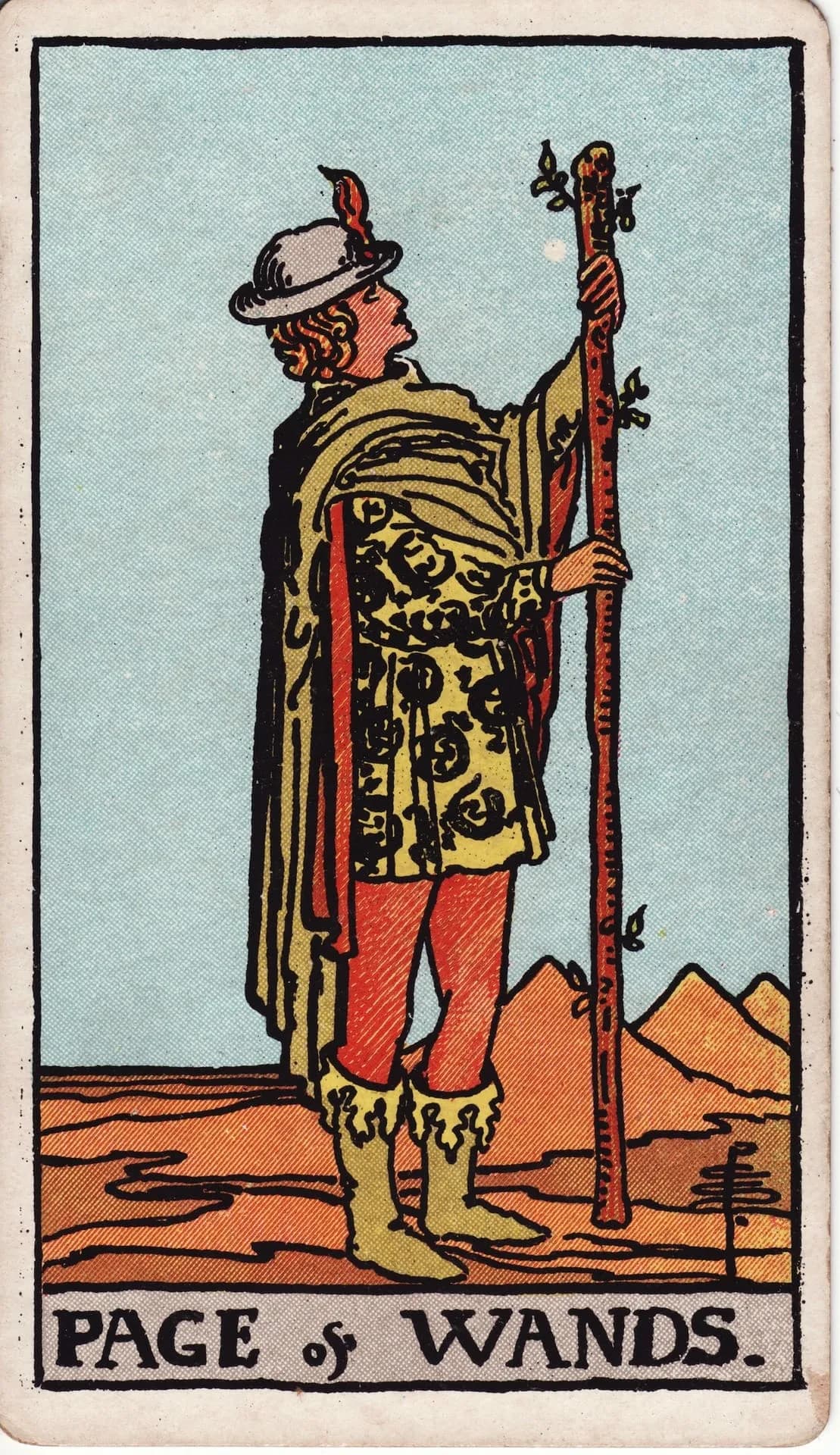
The Queen of Swords in a reading might be the part of you that needs to cut through confusion and say the hard, clear thing nobody else will say. The Knight of Wands might be the part of you itching to quit planning and start doing. This framework turns court cards into mirrors. You're not looking at a stranger across the table anymore. You're looking at a version of yourself that the reading is asking you to notice.
If you pull the King of Cups and can't connect it to anyone you know, ask: where in my life do I need to be the emotionally mature authority? The card might be showing you a role to step into.
Developmental stages. Pages, Knights, Queens, and Kings map to a progression within each suit. Pages are the learners. Curiosity, fresh starts, the very beginning of understanding. A Page of Pentacles is someone just starting to learn about money, craft, or physical skill. Knights are the doers. Action, pursuit, sometimes recklessness. A Knight of Swords charges toward intellectual challenge without always considering the cost.
Queens are the masters of integration. They've internalized the suit's energy and express it with skill. Kings are the authorities. They've built something and now steward it. A King of Pentacles has created the business, grown the garden, established the foundation. The building phase is over.
Timing and pace. Pages signal a slow start. Knights mean things are moving fast. If you draw a Knight of Wands in a timeline reading, whatever you're waiting for is closer than you think. Queens suggest steady, deepening progress. Kings indicate a stable, established situation.
Advice about approach. The card tells you HOW to act, not who will appear. A Knight of Wands as advice means "act boldly and don't wait for permission." A Queen of Cups as advice means "lead with empathy and emotional awareness." This framework works best in action-oriented spreads where you're asking what to do next.
Which framework felt natural? Not correct. Natural. That instinct is worth trusting. Imagine your Queen of Swords under the first framework, as someone you know, and under the second, as a part of you. The reading shifts without the card changing.
How spread position changes a court card's meaning
A court card doesn't arrive in a vacuum. It arrives in a position, and that position shapes everything. The same Queen of Pentacles means something completely different in a "past influences" slot versus a "what to do next" slot. Position is context. Context is meaning.
Step one: Does the spread position suggest a person? Some positions point toward external influences. If you're reading a Celtic Cross and a court card lands in the "crossing" position, that's almost always an external person or force acting on you.
Step two: Does the card match someone in your life? If you get a flash of recognition, trust it. The King of Swords in an "opposition" slot who immediately makes you think of your boss? Done.
Step three: If no match, does it describe your current mindset? A court card in "hopes and fears" is rarely about someone else. The Page of Cups there might be your fear of emotional vulnerability, or your hope for a new beginning in love.
Step four: If nothing fits, read it as advice. This is the energy to adopt. The Knight of Pentacles in a future position might mean "the person you need to become": someone patient, methodical, willing to do the slow work.
In a simple three-card past/present/future spread, a court card in the future position carries a specific tension: is it someone you'll meet, or the person you need to become? Both readings are valid. Your intuition about the question you asked will usually resolve it.
In the Celtic Cross, position does heavy lifting. Court cards in the "crossing" slot tend toward external people or forces. In the "self" position, they describe how you're currently showing up. In "environment," they represent the social dynamics around you. When reading card combinations across positions, position tells you which interpretive lens to pick. And when court cards appear alongside cards with strong elemental relationships, those elements interact in ways that deepen the story.
Reversed court cards shift the interpretation toward the shadow side of that card's energy. A reversed King of Pentacles is less likely to be your financially stable uncle and more likely a warning about rigidity or controlling behavior. When a court card flips, it usually moves away from "a specific person" and toward "a quality to watch out for."
When the same court card follows you across readings, the formula gets personal. That card is asking you to pay closer attention.
Try the four-step check on your next reading. And if a particular court card keeps recurring, give it more than a passing glance. Figures that show up uninvited across multiple spreads usually have something to say.
The two elements hiding inside every tarot court card
Every court card carries two elements. You already know the first: the suit element. Cups are Water. Wands are Fire. Swords are Air. Pentacles are Earth. But the second element comes from the card's rank, and this is where the system gets genuinely interesting.
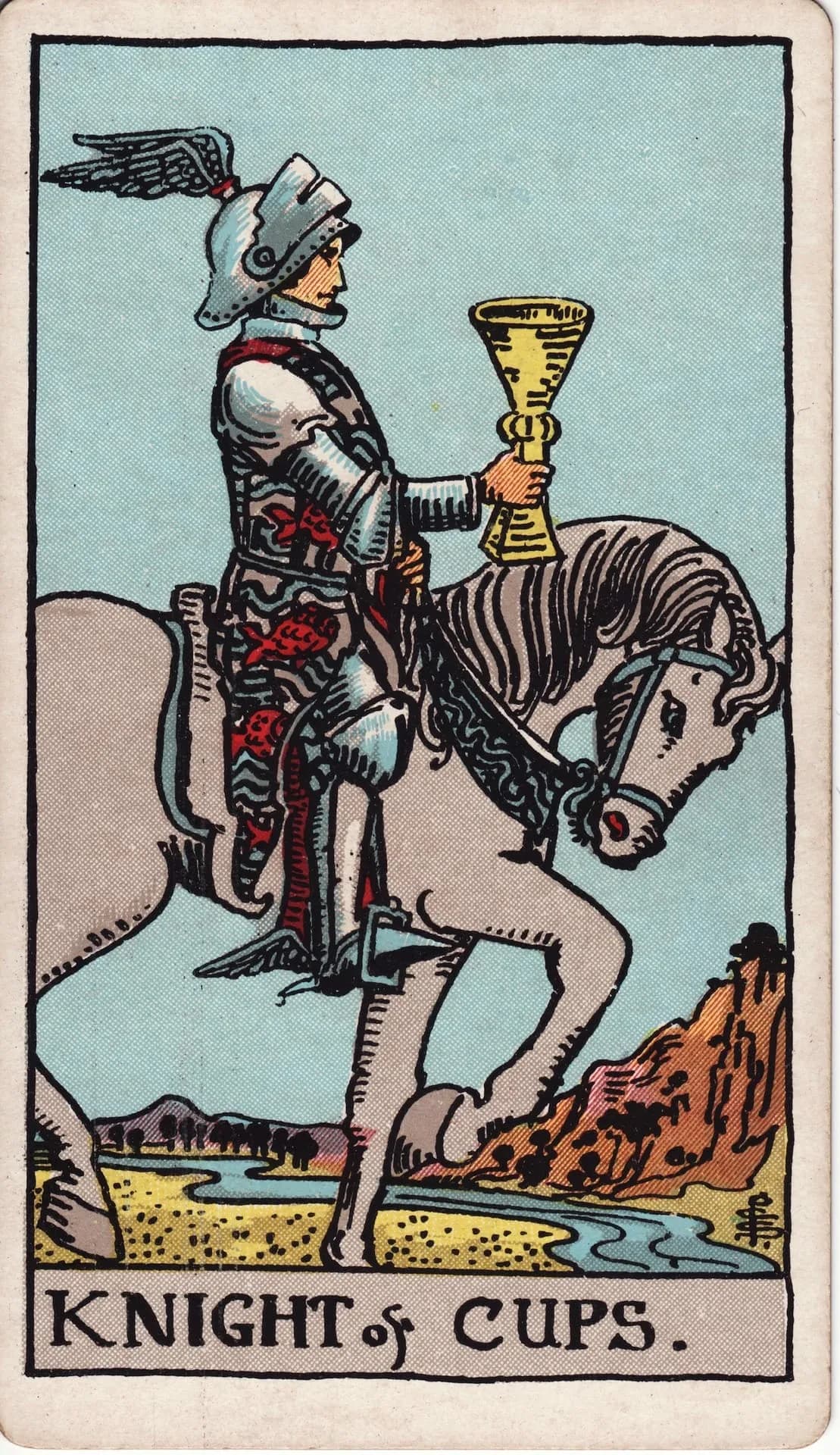
In the Golden Dawn tradition: Kings carry Fire. Queens carry Water. Knights carry Air. Pages carry Earth. So every court card becomes a two-element combination. The Knight of Cups isn't just "a knight" or just "cups." It's Air of Water: the intellectual pursuit of emotion.
The Knight of Cups as Air of Water: think of the romantic who writes love poetry instead of having a conversation. Real feeling underneath, but the expression is filtered through thought and words, channeled into ideas rather than felt directly. Beautiful. Sometimes a bit detached from the raw emotion it's trying to capture.
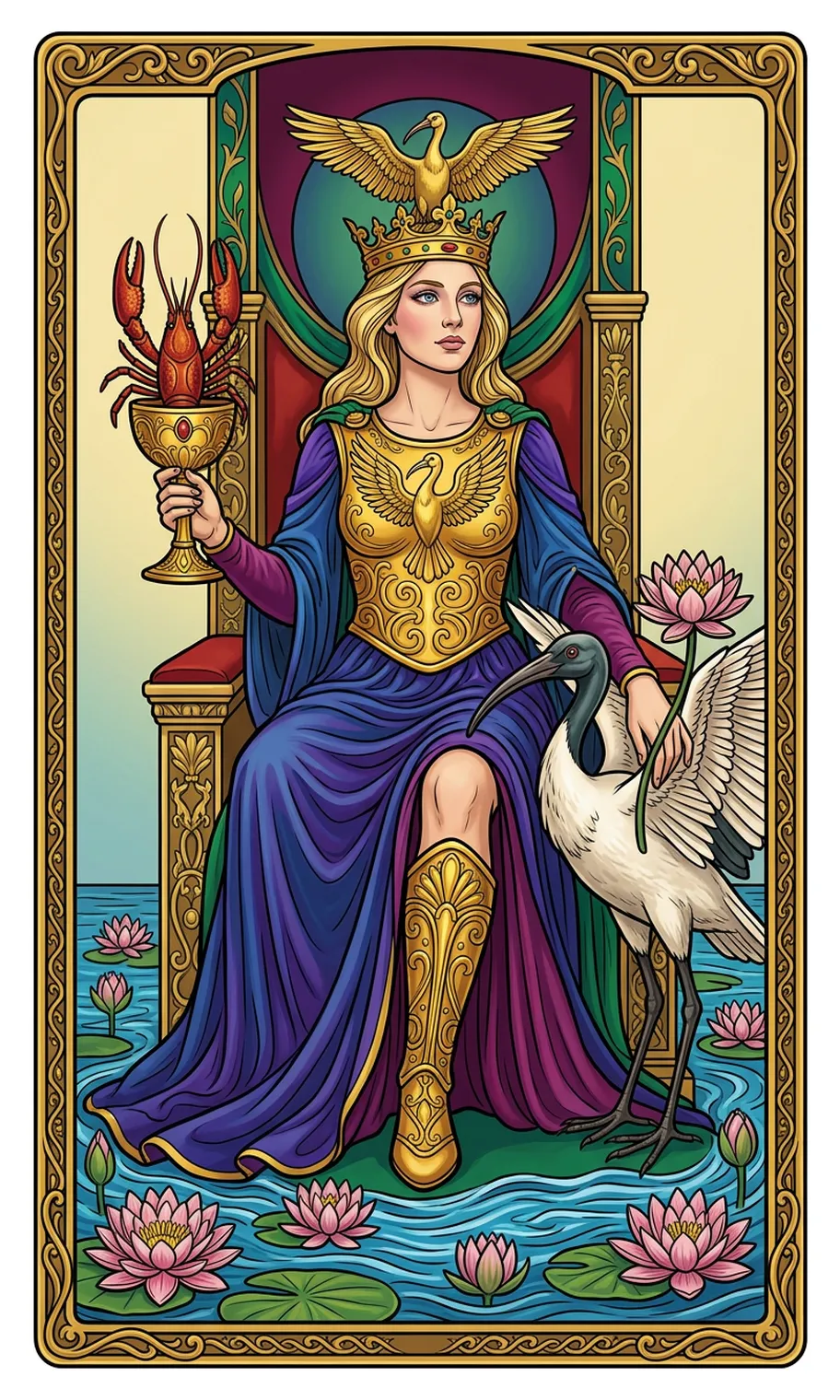
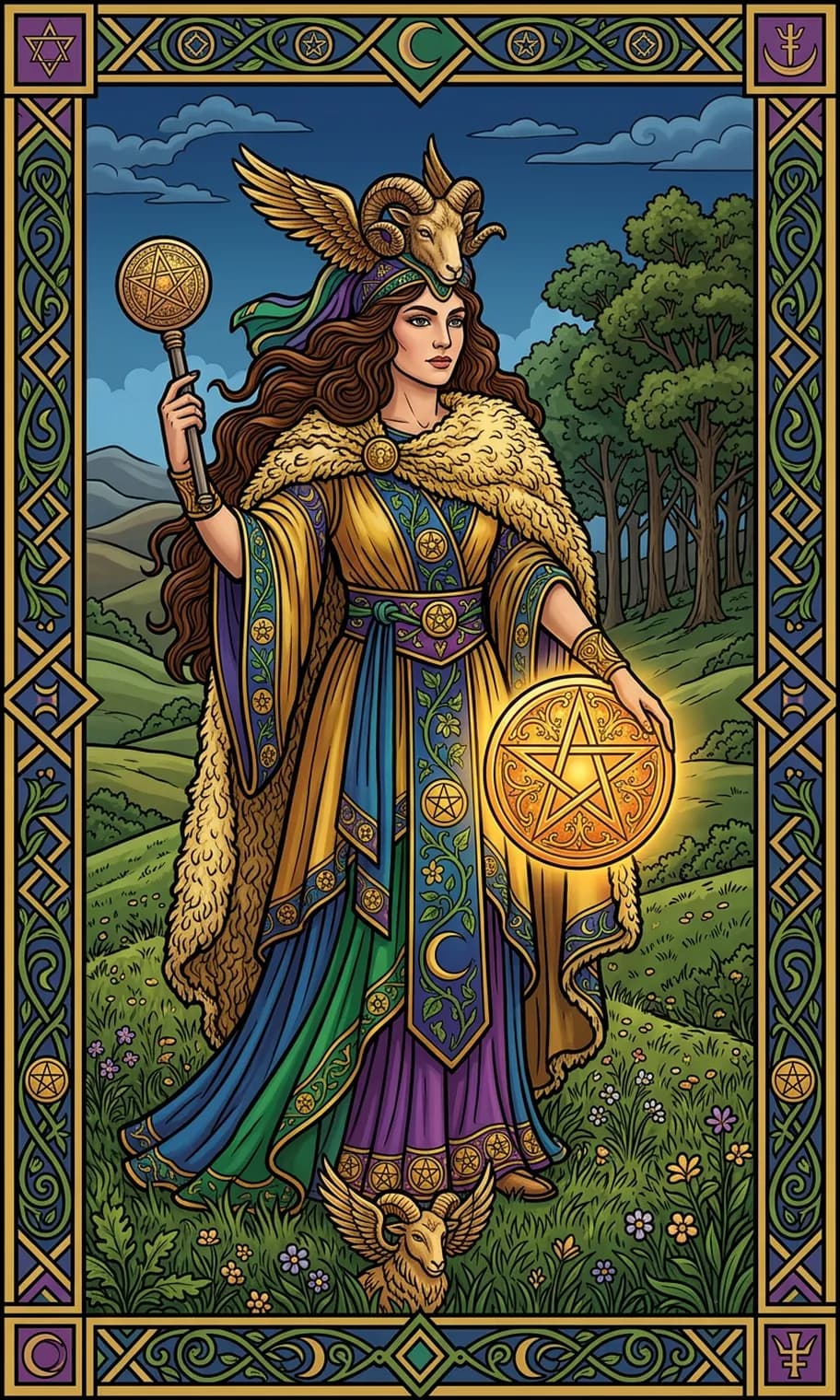
The Queen of Pentacles as Water of Earth: someone who shows love by feeding you. By building you a garden. By making the physical world comfortable and warm. Emotion expressed through material care. Every casserole is a love letter.
The Page of Swords as Earth of Air: the student who asks the question nobody else will. New to intellectual territory, grounded, sometimes blunt, but genuinely curious.
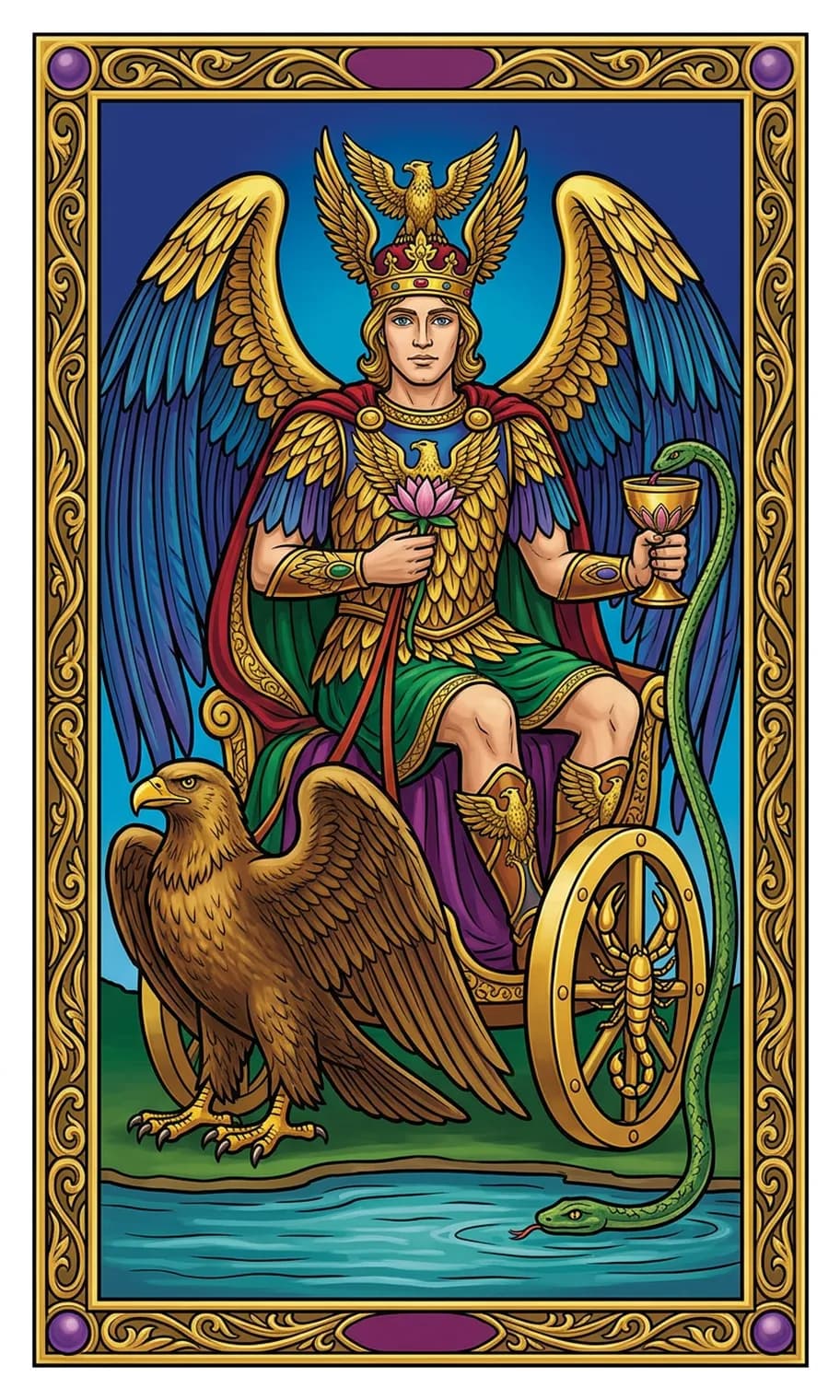
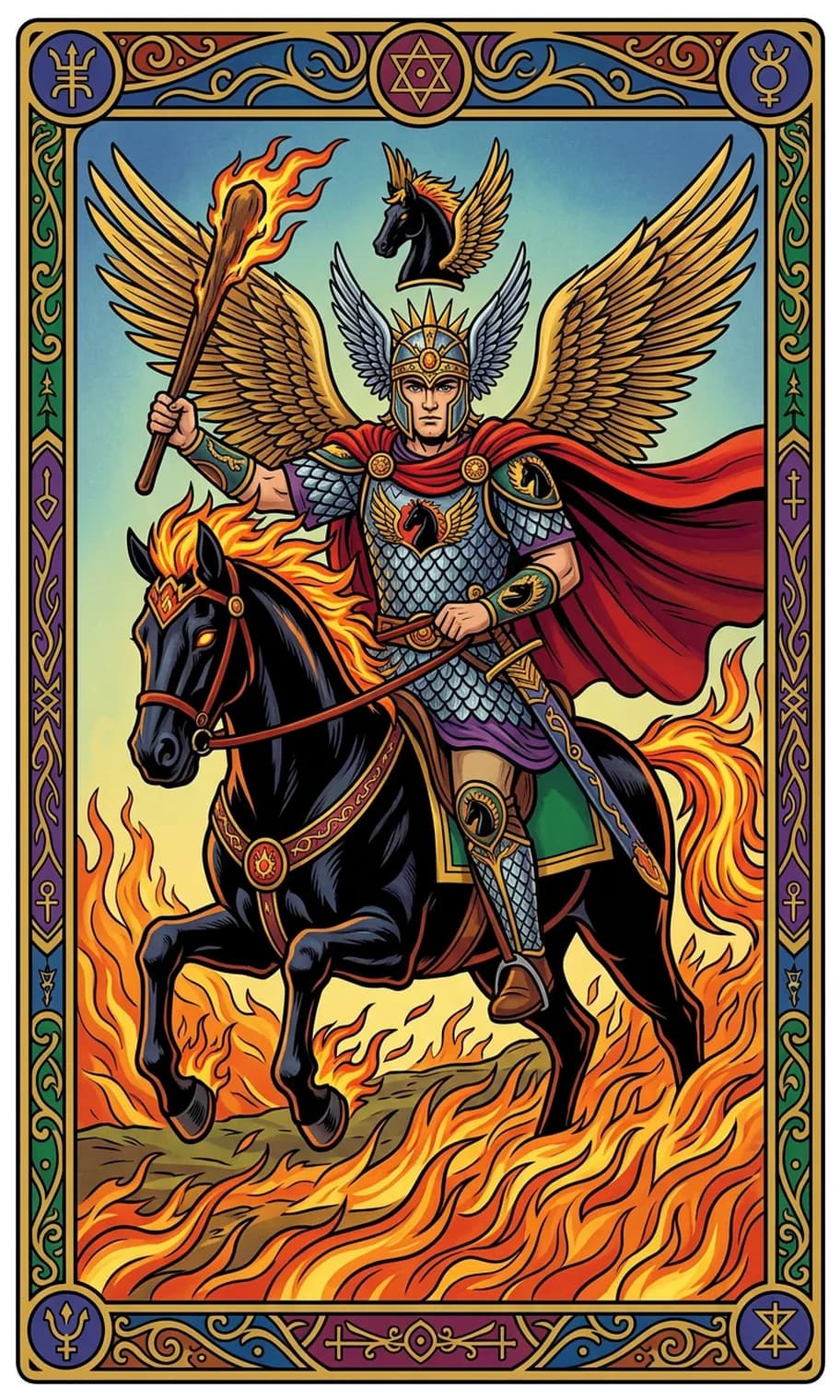
Here's where it gets tangled. The Golden Dawn calls Kings "Knights" (Fire rank), replaces Knights with "Princes" (Air rank), and replaces Pages with "Princesses" (Earth rank). Aleister Crowley noted the problem in The Book of Thoth: "the Kings are now called Knights, and the Princes are now called Kings. This is unfortunate and leads to confusion." If you're working with a Thoth-style deck, your "Knight" of Wands is Fire of Fire, the purest expression of the suit. In a Rider-Waite-Smith deck, that same energy sits with the "King" of Wands. Same energy, different name. Check which system your deck follows before assigning elemental pairs.
When both elements agree, the card is pure intensity. Fire of Fire, the King of Wands, is creative will at full power. When the elements conflict, there's productive tension. Water of Air, the Queen of Swords, holds emotional depth beneath intellectual clarity. That inner friction is what makes the card worth sitting with.
Understanding this layer turns surface-level reading into intentional reading. You stop seeing sixteen faces and start seeing sixteen conversations between elements. Here's the full grid, so you don't have to hold it all in your head.
Using Rider-Waite-Smith rank names. Thoth and Golden Dawn decks use different names for the same elemental assignments.
| Card | Rank | Suit | The Conversation |
|---|---|---|---|
| King of Wands | Fire | Fire | Creative will at full power |
| Queen of Wands | Water | Fire | Passionate warmth channeled through emotional depth |
| Knight of Wands | Air | Fire | Ideas that catch fire before the ink dries |
| Page of Wands | Earth | Fire | The first spark grounded in curiosity |
| King of Cups | Fire | Water | Emotional authority held with steady warmth |
| Queen of Cups | Water | Water | Feeling so deep it becomes its own world |
| Knight of Cups | Air | Water | Poetry instead of conversation |
| Page of Cups | Earth | Water | A child holding a fish and not asking why |
| King of Swords | Fire | Air | Intellectual authority sharpened to a command |
| Queen of Swords | Water | Air | Emotional depth beneath intellectual clarity |
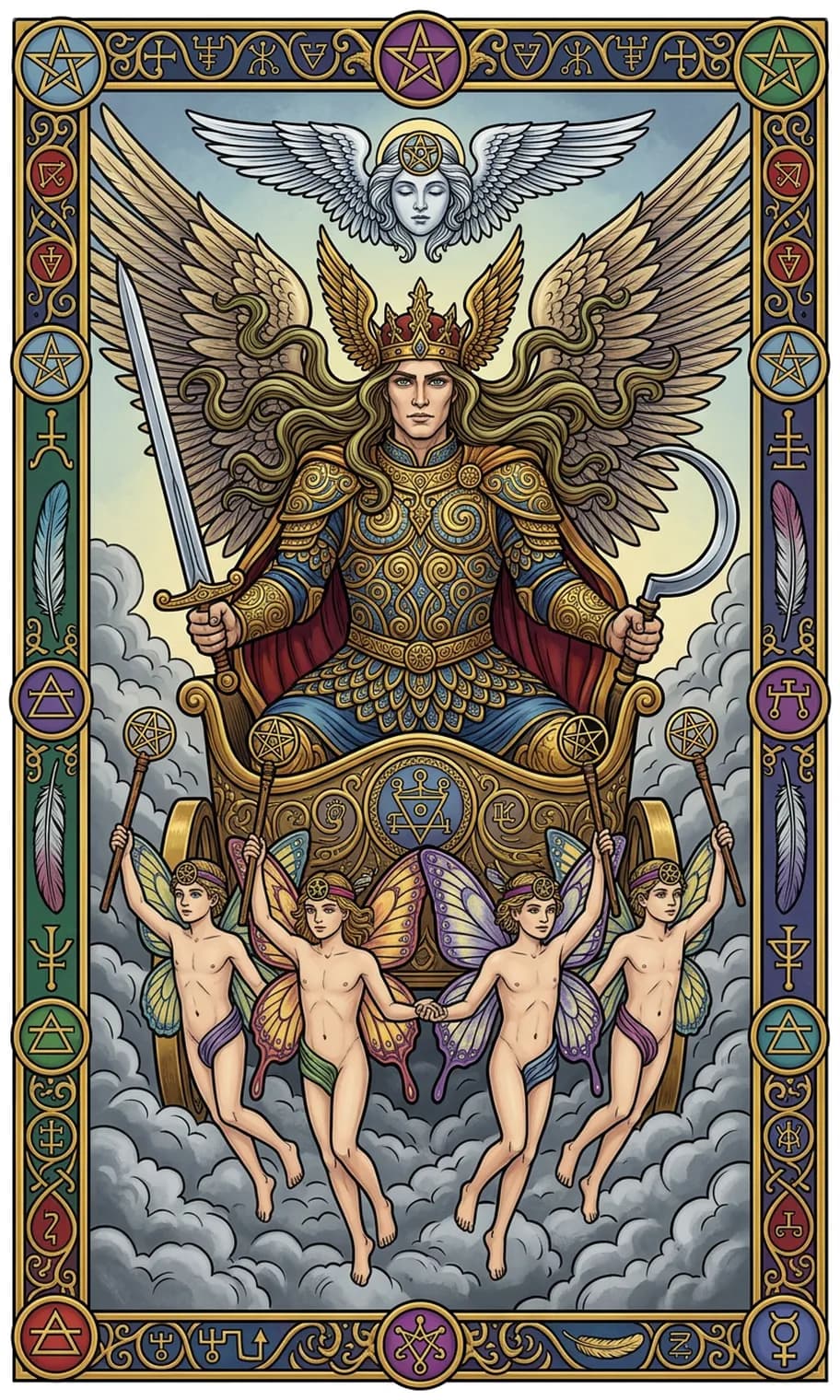
| Knight of Swords | Air | Air | Pure thought in motion, cutting without pausing |
| Page of Swords | Earth | Air | The student who asks the question nobody else will |
| King of Pentacles | Fire | Earth | Material mastery built through sustained will |
| Queen of Pentacles | Water | Earth | Every casserole is a love letter |
| Knight of Pentacles | Air | Earth | Methodical planning before every single step |
| Page of Pentacles | Earth | Earth | Pure groundedness, the very first lesson in craft |
Fire of Water. Earth of Air. That tension between a card's two elements is where the visual story lives. When you picture your Knight of Cups, you should feel the air moving through the water. That inner image belongs in your deck.
Finding yourself in the sixteen faces
The five frameworks aren't competing with each other. They're lenses. You pick the one that fits the reading, the position, and the question. The four-step check gives you a starting protocol when you're stuck. The elemental layer gives depth when you want to push further. And somewhere in the intersection of all sixteen cards, there's one that keeps finding you.
Which of the sixteen do you keep pulling? Which one makes you uncomfortable in a way that feels personal, not confusing? That's your card. The court card that irritates you, that you can never quite pin down, that makes you set the deck aside and think for a minute. That discomfort is recognition.
Think about who in your life embodies each court card. Your sister who charges headfirst into every argument? That's your Knight of Wands. The friend who always knows the right thing to say? Queen of Swords. Once you start assigning faces from your own life, the cards stop being strangers. They become portraits.
Use the frameworks until they become instinct. Use the elemental system until you can feel the difference between Water of Fire and Fire of Water without checking a chart. Use the four-step check until the decision becomes automatic.
And when you sit down with your deck and a court card stares back at you, let it. These sixteen faces are asking for something simple: an intentional connection to the people and energies they represent. Stop treating them like uninvited guests. They've been at the table the whole time.
Questions readers ask about court cards
What do court cards mean in a tarot reading?
Court cards represent people, personality traits, energies, or advice depending on context. The sixteen court cards combine four ranks (Page, Knight, Queen, King) with four suits, each carrying its own combination of maturity level and elemental energy. Spread position and your intuition determine which interpretation fits.
Are court cards always people?
No. Court cards can represent actual people in your life, aspects of your own personality, developmental stages, the pace of a situation, or advice on how to approach a problem. Use the four-step check: consider position, then people, then self-reflection, then advice.
What is the difference between Kings and Knights in tarot?
Kings represent mature authority and mastery; they have built something and now steward it. Knights represent active pursuit and movement; they are charging toward a goal. In the Golden Dawn system, Kings carry Fire (willpower) and Knights carry Air (thought and action), though some decks reverse these assignments.
How do you read multiple court cards in one spread?
Multiple court cards often point to a social situation with several people involved. Consider how their suits and ranks interact. Two cards of the same suit share common ground; conflicting elements suggest tension between the people or energies they represent. Read them as a conversation, not isolated figures.
Which court card am I based on my zodiac sign?
One common correspondence, based on the Golden Dawn decan wheel: Aries, Queen of Wands. Taurus, Knight of Pentacles. Gemini, King of Swords. Cancer, Queen of Cups. Leo, Knight of Wands. Virgo, King of Pentacles. Libra, Queen of Swords. Scorpio, Knight of Cups. Sagittarius, King of Wands. Capricorn, Queen of Pentacles. Aquarius, Knight of Swords. Pisces, King of Cups. Each court card actually spans the boundary between two signs, so these are starting points from one tradition, not fixed identities. Other systems assign zodiac signs to court cards differently.